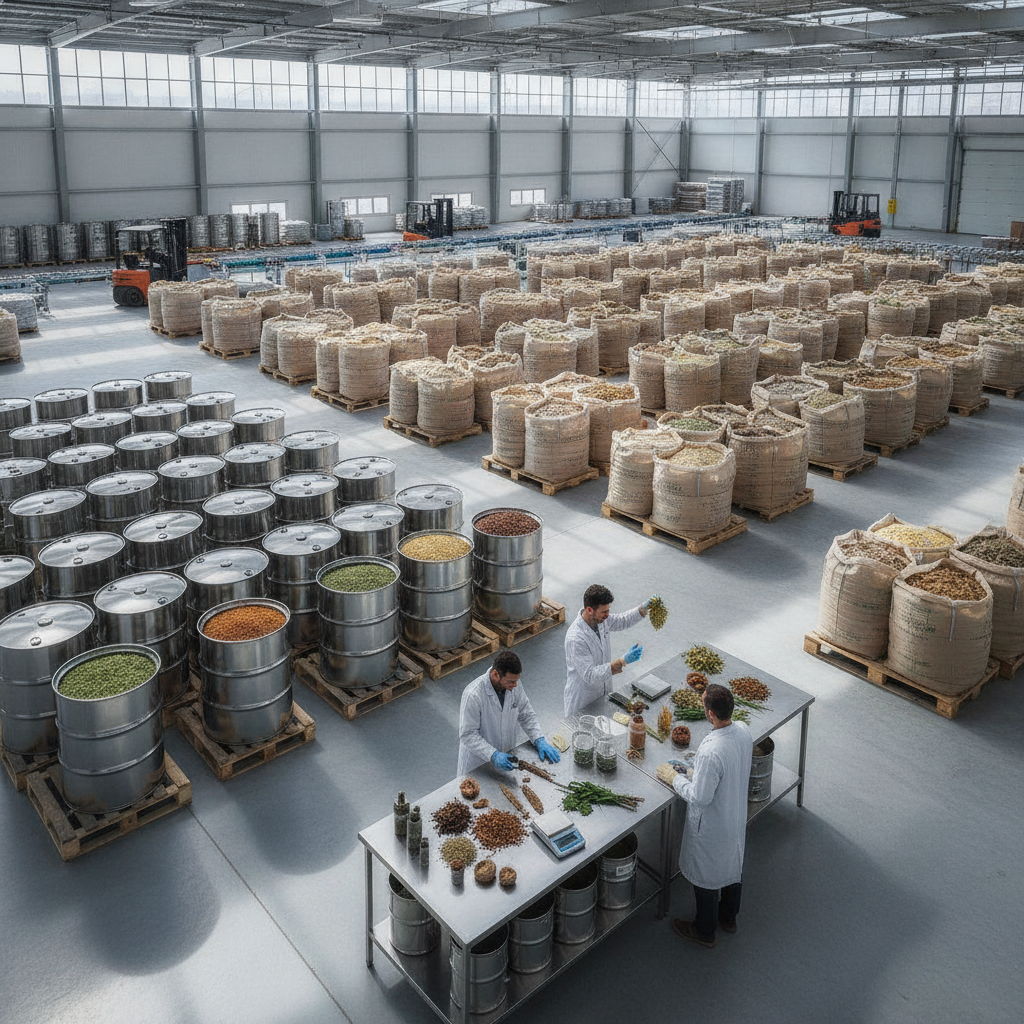
Botanical extract sourcing is the end-to-end process of qualifying, procuring, importing, and distributing plant-derived actives to a defined specification. It covers identity, purity, potency, and traceability across suppliers and lanes in the United States and Canada so brands receive compliant, consistent extracts for human and animal applications.
By Amit Kumar • Last updated: 2026-07-11
Overview
If a shipment was held for a misclassified HS code or a lot failed actives on release, you know the stakes. This guide shows how to source compliant, traceable extracts, why human and animal requirements differ, and how FFIB supports North American teams from supplier vetting through scale-up.
Food & Feed Ingredients Biz (FFIB) is a North American B2B partner for botanical extracts, nutraceuticals, APIs, specialty chemicals, and feed additives. We serve human health brands and animal nutrition teams with clean-label, compliant materials—and co-development when a tailor-made grade is required.
What Botanical Extract Sourcing Actually Involves (and Where It Goes Wrong)
Sourcing spans botany, chemistry, documents, and logistics. It starts with authenticated plants, continues through standardized extraction and validated testing, and ends with correct classification and reliable distribution. Most failures trace to weak ID, vague specs, or broken traceability.
Common pain we hear: a supplier swapped species mid-contract; the CoA looked fine, yet U.S. Customs flagged the shipment; or a feed mill reported clumping and potency loss after pelleting. These aren’t bad luck—they’re predictable outcomes of incomplete specs and vendor control.
Build a process that removes luck from the equation:
- Specification first: Latin binomial and plant part; extraction solvent; target standardization range; contaminant limits; organoleptics; particle size; packaging and shelf life.
- Orthogonal identity: Don’t rely on a single method. Pair microscopy or DNA with chromatographic fingerprinting for adulteration-prone botanicals (e.g., ashwagandha, turmeric).
- Documentation gate: Require the full pack up front—specification, CoA per lot, origin, allergens, GMO, residual solvents, heavy metals, pesticide screen, micro, and a manufacturing flow diagram. If a supplier can’t provide the flow diagram on first ask, pause qualification.
- Import readiness: Classify correctly (vegetable saps/extracts generally fall under HS code 1302). Misclassification triggers reviews and delay. Align declarations with intended use (dietary vs. feed).
- Change control: Lock rules for harvest region, process changes, or test method switches. No silent changes.
FFIB aligns these checkpoints with our quality stack referenced on our certifications page to keep lots moving cleanly into the United States and Canada.
Key Quality Criteria When Sourcing Botanical Extracts
Quality is designed—not inspected in. Authenticate the plant, standardize actives to a tight range, control contaminants, and package for stability. Lock a complete documentation set and enforce vendor change control before the first PO.
Here is how we advise technical teams to write—and enforce—extract quality:
- Identity and authenticity: Use orthogonal methods. DNA barcoding alone is not enough for adulteration-prone materials; add HPLC or UPLC fingerprinting. Full stop.
- Standardization range: Define actives (e.g., polyphenols, saponins) with a realistic, tight tolerance band (often single-digit percent variance) based on validated methods and matrix behavior.
- Residual solvents: Align limits with recognized frameworks (e.g., class-based limits used in pharmacopeial guidance). Prohibit high-risk solvents (such as benzene-class) outright in contracts.
- Heavy metals and pesticides: Set conservative limits suitable for the intended category and market; require method and LOQ disclosure.
- Microbiology: Specify total plate count, yeast/mold, and pathogen absence appropriate to dose form and species.
- Stability and packaging: Moisture barrier and UV protection; oxygen control if actives are oxidation‑sensitive. Ask for real-time or accelerated stability data.
- Documentation pack: One-click completeness matters. Missing pieces create compliance risk and port delays.

Sourcing for Human Health vs. Animal Health — Why the Requirements Differ
Human health and animal nutrition share core GMP thinking but differ in documentation, performance expectations, and logistics. Align to the intended market early to avoid relabeling, reformulation, or retesting when you’re close to launch.
| Area | Human Health (Dietary/Nutra) | Animal Health (Feed/Nutrition) |
|---|---|---|
| Intended use | Capsules, powders, beverages; structure/function claims | Premixes, complete feed, supplements; performance focus |
| Specification focus | Active range tightness; excipient compatibility; sensory | Mixability, pelleting heat tolerance, carrier compatibility |
| Documentation | Comprehensive CoA per lot; origin; allergens; GMP evidence | Feed-grade declarations; contaminants within feed limits |
| Testing emphasis | Identity, actives, residuals, micro, stability studies | Uniformity in blends; heat and moisture tolerance |
| Logistics | Food-grade packaging; moisture/UV control | Bulk formats; dust control; flow properties |
| Common failure modes | Label claim mismatch on actives; sensory drift in beverages | Heat degradation during pelleting; segregation in premix totes |
FFIB supports both tracks through a single partner relationship—covering botanical extracts, amino acids, and plant-based actives across species. Explore representative categories in our product portfolio.
How FFIB Sources and Supplies Botanical Extracts Across Both Markets
FFIB combines global manufacturer partnerships with a North American base. We qualify vendors, align specs, assemble complete documentation, and move material through import and distribution so manufacturers and contract partners receive compliant lots on schedule.
What working with FFIB feels like:
- Single brief, clear outcomes: Our Product Enquiry Form captures intended use (dietary vs. feed), dose form/species, and target actives so we can finalize a usable specification and documentation plan fast.
- Supplier alignment: We collaborate with global manufacturers to select extraction methods and grades aligned to your performance goals, then lock change‑control expectations.
- Documentation discipline: We build complete lot packs before ship date to avoid avoidable port delays and to accelerate your internal quality release.
- End‑to‑end coverage: Beyond botanical extracts, our scope spans nutraceuticals, APIs, specialty chemicals, and feed additives—reducing handoffs and integration risk.
- Quality and traceability: Our approach is anchored to the standards reflected on our certifications page and enforced vendor change control.
Prospective manufacturers can start a dialogue through our Global Vendor Partnership form for structured onboarding.
From Ideation to Scale-Up: Tailor-Made Botanical Solutions
Custom needs often surface late—dose-form incompatibility, pelleting heat loss, or a sensory clash. We prefer to catch them early. FFIB co-develops formulations, validates stability, and aligns declarations so U.S. and Canadian launches stay on track.
Our guidance from many development cycles:
- Don’t pilot on an unstable spec: Finalize identity methods, actives range, and packaging before scale trials.
- Engineer for the real process: If pelleting is involved, test at process temperatures; if beverages, validate sensory over shelf life.
- Design traceability in: Preserve lot genealogy through premix or finished formats to speed investigations and claims defense.
- Document once, use twice: Where possible, build a document set that satisfies both dietary and feed stakeholders to reduce rework.
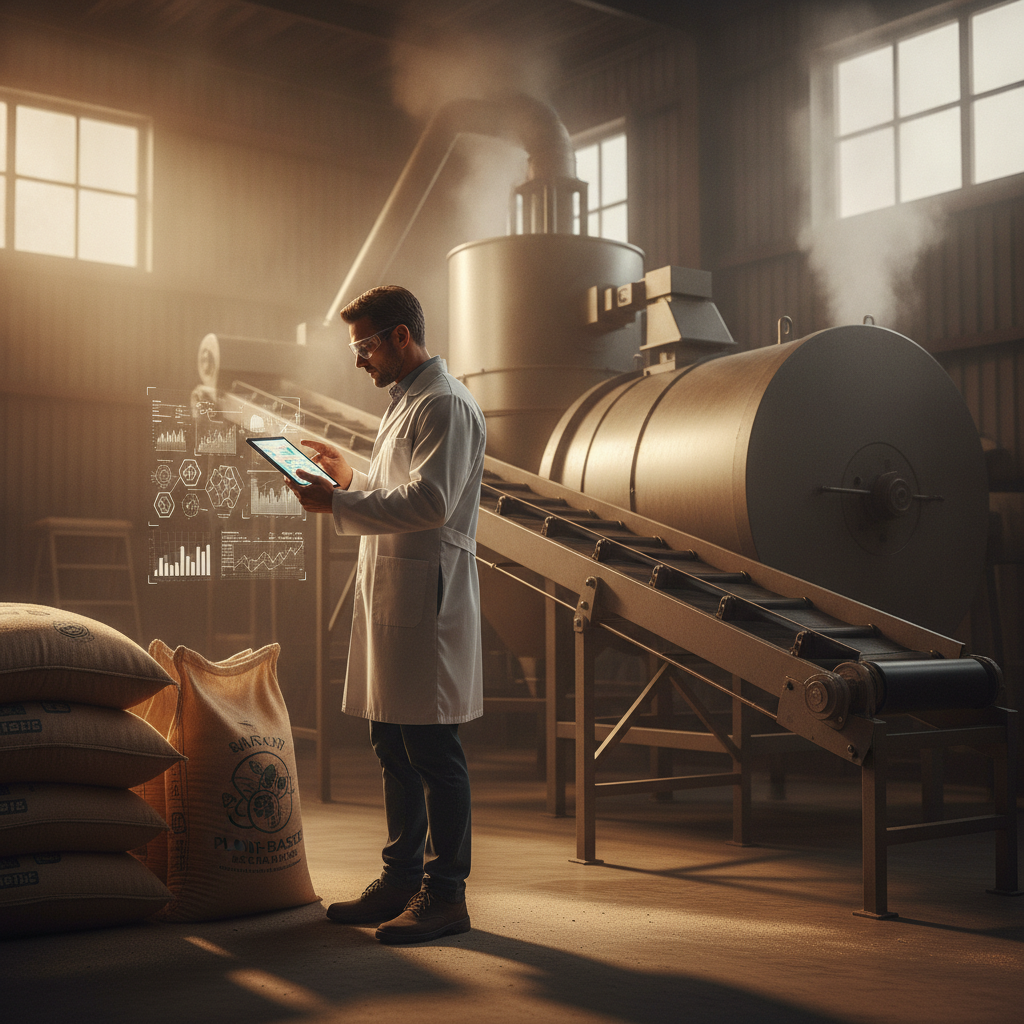
How to Evaluate a Botanical Extract Sourcing Partner
Choose partners who build quality into the process. Insist on dual‑market fluency, full documentation up front, and proof of import reliability. If they can’t show change control or a manufacturing flow diagram, keep looking.
Use this rubric in supplier reviews:
- Quality system depth: Certifications, audit readiness, and the ability to align to your spec quickly.
- Human + animal experience: Real examples in dietary supplements and feed nutrition—not theory.
- Portfolio scope: Access to adjacent inputs (amino acids, specialty chemicals, APIs) to reduce integration risk.
- Documentation discipline: Complete packs per lot; proactive change notifications; transparent corrective actions.
- Import reliability: Proven classification and declaration accuracy for North America. A Similis Pharma analysis highlights the value of proactive risk planning in supply chains.
We respect capable peers—Prinova, Barentz North America, Univar Solutions (Ingredients), AIDP, and Glanbia Nutritionals. FFIB differentiates by serving both human and animal markets and by offering co-development from ideation to scale-up.
FAQ
Fast answers to common buyer questions on botanical extract sourcing for human and animal applications in North America.
What documents should come with every botanical extract lot?
Require the specification and CoA per lot, origin, allergens, GMO status, residual solvents, heavy metals, pesticide screen, microbiology, and a manufacturing flow diagram. For feed uses, add feed-grade declarations and confirm carrier compatibility and blend uniformity.
How do we reduce adulteration or species mix-ups?
Define the Latin binomial and plant part in the spec. Use orthogonal testing—microscopy or DNA plus HPLC/UPLC fingerprinting. For adulteration-prone materials, treat dual-method ID as a hard requirement, not a nice-to-have.
What’s different about sourcing for animal nutrition?
Feed applications emphasize blend uniformity, carrier compatibility, and stability under handling conditions. Documentation often includes feed-grade declarations and limits suited to feed standards. Practical needs like dust control and bulk formats matter at mills.
Should we plan for extractables and leachables?
For regulated categories and sensitive dose forms, yes—plan packaging compatibility and impurity assessments early. Reviews like Resolve Mass Spectrometry’s overview explain why late-stage surprises are costly.
Key Takeaways
- Lock specs and identity methods before sampling; dual-method ID for high-risk botanicals.
- Write tight, realistic standardization and contaminant limits; package for stability.
- Human and animal tracks differ—document and test accordingly to avoid rework.
- Choose partners who deliver complete documentation and import reliability; plan risks early.
- FFIB provides sourcing, importing, and distribution plus co-development across U.S. and Canadian launches.
Ready to brief your next botanical? Share your requirements with the FFIB Product Enquiry Form, browse our product portfolio, or read our blog for the pillar API sourcing guide.